
What this overview is based on
A model overview based on published information: Toyota Israel pages, the October 2026 catalogue and the local warranty booklet. No test drive was conducted, and the editorial team has not measured performance or fuel consumption.
Bottom line
ECO is worth considering if you want a small hybrid crossover that does not need external charging. A purchase decision still depends on suitable space, the final quotation and written clarification of warranty terms.
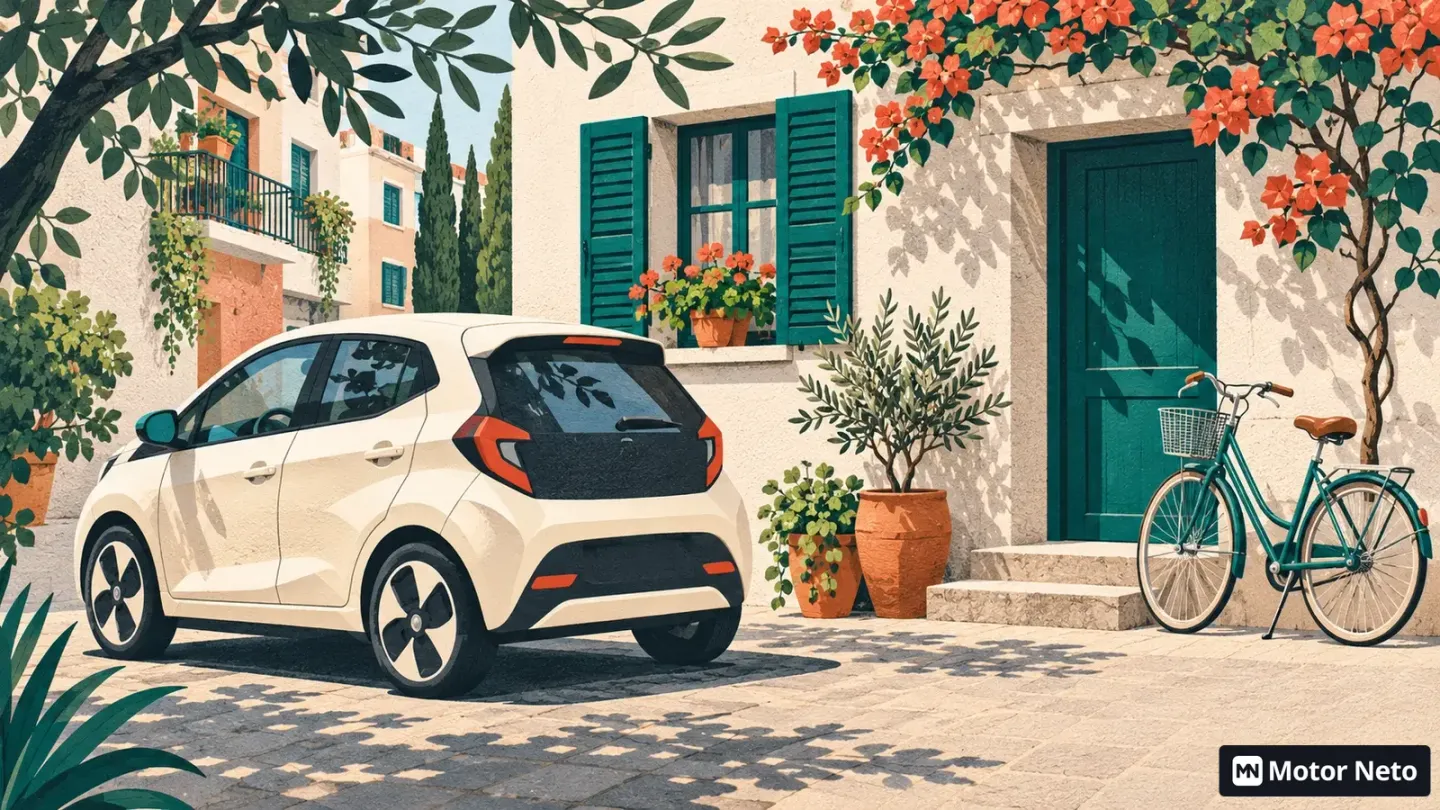
The Toyota Yaris Cross HYBRID ECO is a candidate for anyone seeking a small crossover with a hybrid powertrain that does not require external charging. According to the Israeli version page on 10 November 2026, its displayed base price is 159,990 ₪. Adding the vehicle licensing fee (אגרת רישוי) of 2,076 ₪ gives a displayed price of 162,066 ₪. Before ordering, check the final quotation, whether the space suits you and the warranty terms.
This is a model overview based on published information. No test drive was conducted, so there are no ratings here for comfort, steering, noise or real-world fuel consumption. The overview concerns the updated Yaris Cross presented in Israel for 2026, in ECO trim with the local powertrain, rather than similarly named models in other markets.
Identify the version before interpreting the price
The Yaris Cross name appears in adverts, older pages and different specifications. The reference here is the active specification page and the Israeli catalogue from October 2026. This is an update of the familiar European Yaris Cross model, not evidence that every car carrying that name and registration year has the same equipment.
Ask for the full trim designation, production year, attached specification and delivery date to be included in the order. The entry price does not necessarily include every colour or accessory you choose. The importer's own website says the price at the time of ordering may be higher, so the displayed figure is a basis for comparison, rather than a personal commitment you have received.
The link to the ECO specification on Toyota Israel's website lets you check the version covered by this overview. If the order document gives a different name or different equipment, pause and ask for the difference to be explained. There is no reason to pay on the basis of an equipment list for a car you will not receive.
The powertrain explains the type of use, not how the car feels
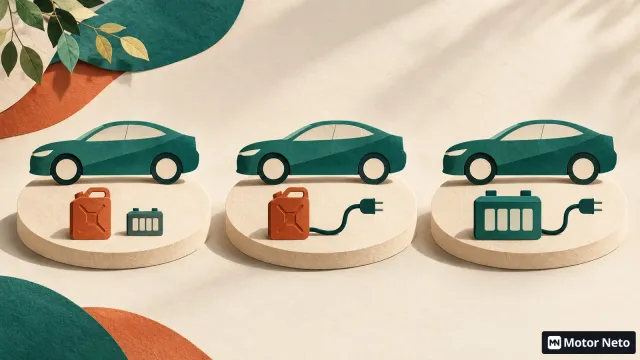
The local specification lists a 1.5-litre petrol engine alongside an electric system, combined output of 116 hp, front-wheel drive and a continuously variable hybrid transmission. This is neither a fully electric car nor a plug-in hybrid. In normal use, you do not need to install a charging point to operate the hybrid system.
Those figures describe its architecture and claimed performance. They do not justify saying that the car is quieter, quicker or more pleasant than an alternative that has not been tested in the same conditions. If you are moving from another car, assess the response, controls and suitability yourself on an arranged test drive.
For anyone choosing between hybrid and electric power, the question is not simply whether fuel can be saved. You need to examine your driving and charging routine, as explained in the guide to powertrain types. The Yaris Cross provides a hybrid option in the range, but it is not an automatic answer to every urban or family use.
What the local figures say about size and equipment
| Item | Published figure for the ECO version |
|---|---|
| Number of seats | 5 |
| Body width | 1,765 mm |
| Wheelbase | 2,560 mm |
| Boot capacity according to the catalogue | 397 litres, VDA to beltline height |
| Wheels | Alloy, 16 inches |
| Multimedia screen | 9 inches |
| Digital instrument display | 7 inches |
| Rear camera and climate control | Included |
| Combined output | 116 hp, manufacturer's figure |
| Combined fuel consumption | 4.4 litres per 100 km, WLTP |
Number of seats
- Published figure for the ECO version
- 5
Body width
- Published figure for the ECO version
- 1,765 mm
Wheelbase
- Published figure for the ECO version
- 2,560 mm
Boot capacity according to the catalogue
- Published figure for the ECO version
- 397 litres, VDA to beltline height
Wheels
- Published figure for the ECO version
- Alloy, 16 inches
Multimedia screen
- Published figure for the ECO version
- 9 inches
Digital instrument display
- Published figure for the ECO version
- 7 inches
Rear camera and climate control
- Published figure for the ECO version
- Included
Combined output
- Published figure for the ECO version
- 116 hp, manufacturer's figure
Combined fuel consumption
- Published figure for the ECO version
- 4.4 litres per 100 km, WLTP
The width is a body measurement and does not, on its own, settle whether you can park with the mirrors out and doors open. Five seats do not guarantee room for every combination of child seats or three adults in the rear, either. Bring the people who will travel in the car and the relevant equipment, and try the task you need it to accommodate.
There is a discrepancy in the published length: the specification page lists 4,172 mm, while the October catalogue gives 4,167 mm. The difference is small, but there is no reason to choose one figure without an explanation. If your parking space is tight, ask for confirmation of the dimensions of the vehicle being ordered and measure it yourself. No foreign-market specification has been used here to fill the gap.
The entry version calls for a careful reading of the equipment list
According to the catalogue, ECO includes several important everyday features, among them a rear camera, climate control and a smart key. Certain additions found on other trim levels are not automatically part of this version. Do not assume from an interior photograph that every screen or charging pad shown is included in the entry price.
With safety lists, pay attention to the legend. A page listing system names is not enough if the markings for fitted or not fitted are misunderstood. Ask for the safety specification attached to the order and an explanation of how the systems work and their limitations. A driver assistance system is not permission to pay less attention to driving.
This overview gives neither a safety rating nor an overall score. If you compare crash-test results, you need to match the test, year and version. No result from another vehicle or another test year has been inserted here to fill a table. A clearly identified question is preferable to certainty that has not been established.
Laboratory consumption is a reference point for your budget
The figure of 4.4 litres per 100 km is the manufacturer's combined WLTP figure for the version, not a result measured on an editorial drive. It is useful for comparison only when it is clear what was measured and which version was used. It does not guarantee your bill at the petrol station, particularly if your driving routine differs from the test conditions.
To plan your spending, use your own mileage and several clearly labelled consumption scenarios. Do not rely solely on the most economical figure when your entire budget depends on it. Even if fuel fits the budget, add insurance, licensing, maintenance and finance using the guide to ownership costs.
Before buying, request an insurance quotation for the actual drivers and a maintenance schedule for the version. No premium or servicing-cost estimate is provided here, because those costs are not determined by the model name alone. A future resale price cannot be guaranteed today either, so it needs to remain an assumption in the calculation.
A discrepancy in the warranty information needs a written answer
The general Israeli warranty booklet linked on the website distinguishes between comprehensive cover for three years or 100,000 km and specified cover for hybrid components for five years or 100,000 km, whichever comes first. The Yaris Cross marketing page, however, uses broader wording about five years of warranty and also presents capacity cover.
There is no basis here for deciding that the marketing wording gives the whole vehicle or the hybrid battery different cover from the warranty certificate. Before signing, ask for written confirmation resolving the discrepancy for the car being ordered. Paid extensions should be listed separately. This is a material limitation in the available published information, not a reason to guess the more favourable term.
You can use the guide to reading a battery warranty to frame your questions: which components, what mileage limit, whether capacity is covered and how it is tested. A clear answer matters more than another year in a headline that the document does not explain.
Who should consider putting this model on the shortlist
ECO is worth examining if you want five seats in a small crossover, prefer a hybrid powertrain without an external connection and are satisfied with the equipment in its specification. Suitability remains conditional on space, parking and your individual quotation. This is not a claim that it is comfortable for every family or economical on every route.
If your use requires only four seats and a smaller car, you could also consider the hybrid Aygo X in the Israeli range. If you need more luggage room or a different rear seat, broaden the list before choosing a trim level. An alternative should meet a need, rather than simply be close in price.
After sitting in the car and taking a test drive, go home with a quotation that includes the specification and clarified warranty terms. You can then decide whether the car itself suits you, without crediting the marketing material with answers it has yet to provide.
Found an error or outdated information? Read how we handle corrections and sources, or email us: [email protected].