
The short answer
With the car safely parked, ask regular passengers to try entering, sitting and leaving the exact version you intend to buy. Set the seats for real journeys and record difficulties or required help before deciding.
Who this guide is for
For new or used car buyers in Israel checking everyday suitability for regular adult passengers.
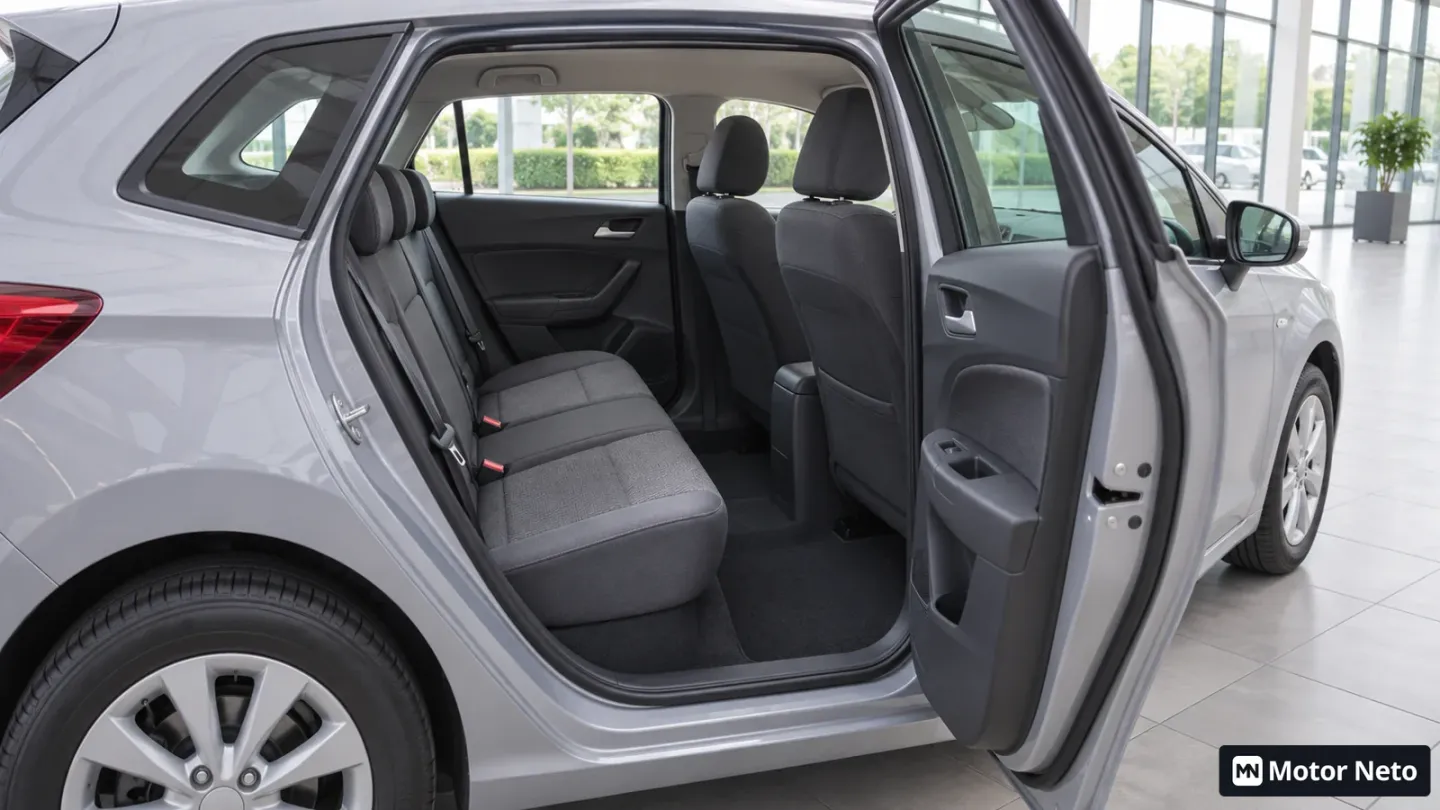
Before buying a car, bring the people who normally travel in it to the viewing. A comfortable driving seat for you does not establish that rear access suits a parent, partner or tall passenger. Set aside a session for getting in, sitting and getting out, with the vehicle safely parked and the seats arranged as you will use them. Replace a general impression with a repeatable set of actions you can compare across cars.
This works for new and used vehicles without special measuring equipment. It is not a medical accessibility assessment or a professional safety inspection. If a passenger needs a specific adaptation, consult an appropriate specialist rather than assuming a few minutes in a showroom prove suitability in every situation. Do not attempt a painful movement just to complete the check.
Start with the people and the correct version
Record who travels regularly, where they sit and how often. The usual combination matters more than the theoretical ability to fill every seat. If two adults regularly sit in the back, check them together. If someone normally uses a particular side, begin there, then see whether the other side offers a more comfortable option.
Ask to inspect the exact version you intend to buy. Seat type, roof and adjustment options can vary between versions, so record the trim and equipment actually checked. A model name on a display board is not enough. When building a shortlist around your routine, comfortable access can be a threshold requirement rather than a preference discovered after payment.
Bring only equipment that normally accompanies the passenger, such as a bag or walking stick. Ask permission to place it in the car and avoid loads or accessories that could damage the display vehicle. The aim is to reproduce familiar use, not create an extreme test. Child-seat suitability requires separate consideration of both restraint and vehicle instructions and is outside this guide.
Check the route into the seat
Start with the door open and the area clear. Let the passenger enter at their usual pace, noting the specific difficulty: door opening, sill, bending or moving their feet through the gap. A precise description is more useful than saying the car is too low. Do not pull someone into the vehicle or use a part that is not intended as a handhold.
Repeat entry and exit only if comfortable and safe. A spacious showroom may allow the door to open fully, whereas normal parking may leave a smaller gap. There is no need to squeeze between vehicles or recreate unsafe parking. Ask to check a restricted opening in a clear area, without placing anyone where the door could strike them.
Record entry and exit separately. They are different movements and one may be easier. If the seat must move each time, check who will move it and whether returning to the previous setting is straightforward. A solution depending on help unavailable in daily life has not been shown to work for that routine.
Sit in the configuration you actually use
First adjust the front seats for their normal driver and passenger, following the car's instructions. Only then assess the rear seat. Moving the front seat far forwards to create impressive rear space is not a useful comparison if the driver cannot use the car that way.
Let the passenger settle comfortably and check room for knees, feet and head, without treating any particular gap as a guarantee of crash protection. Check that they can fasten the belt correctly according to the manufacturer's instructions, reach the buckle and use the head restraint as required. Do not add a cushion, belt extender or cover to solve a difficulty without appropriate approval for the vehicle and use.
Empty the seat before testing a different layout or folding it. For example, Volvo's V60 Twin Engine rear-seat folding instructions require no occupants or objects on the seat. This illustrates the need for model-specific instructions, not a universal operating sequence. Ask for a demonstration and restore every seat to its approved position before driving.
Let passengers try their own tasks
With the car stationary, check whether the passenger can reach the door handle, window control, vents and useful storage. Ask what they actually want to operate. A large screen or extra socket is no advantage if the required control is difficult to reach. Do not change safety settings simply to make a demonstration easier.
A short stationary sit cannot establish comfort on a journey. If an authorised demonstration drive is available, ask to include the passenger and assess the position in ordinary conditions, with the belt fastened and instructions followed. Record the duration and type of journey completed; do not turn a short circuit into a promise of long-distance comfort.
Compare actions before agreeing the purchase
After each car, record three things: what was comfortable, what needed help and what was not checked. Avoid an overall score that conceals an important difficulty. Compare two cars using the same task, such as entering the right rear seat and fastening the belt, rather than memories from different visits.
If the solution depends on a particular seat or option, ensure it appears in the written quotation. For a used car, test the mechanism in the actual vehicle, not just another example of the model. Success means understanding what the passenger can do comfortably in daily life, not persuading them to manage somehow.
Checklist before you continue
Found an error or outdated information? Read how we handle corrections and sources, or email us: [email protected].