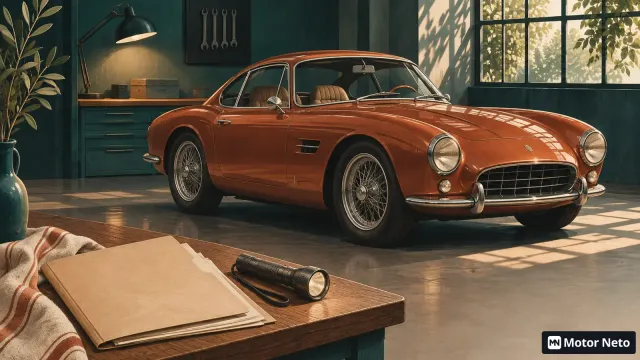

Hyundai Motor Group today, 23 November, detailed the layout of Luc Donckerwolke’s design archive exhibition in Seoul. The update includes the Genesis Box Buggy and GMR-001 alongside development material. The exhibition opens tomorrow, although its existence was announced on 8 November.
The original invitation says Dreams that Resonate runs at Sinsa House in Gangnam until 11 December, with free admission. Today’s news is the detail of the displays and how the works are connected into a design narrative, rather than a new model announcement for sale in Israel.
An archive changes the question
A launch photograph encourages attention to the result: a nose, a light signature or a roofline. An archive raises a different question: how did that shape become the final choice? Hyundai’s update now sets out a more detailed route than the general invitation issued earlier this month.
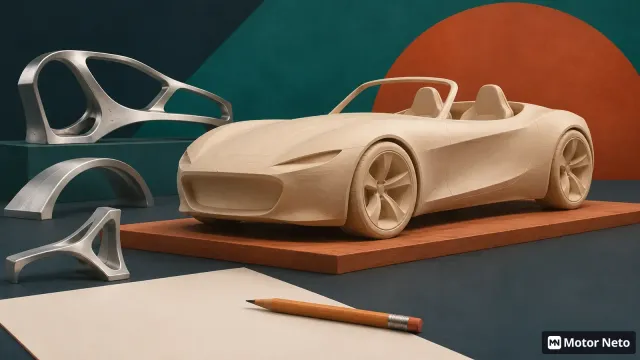
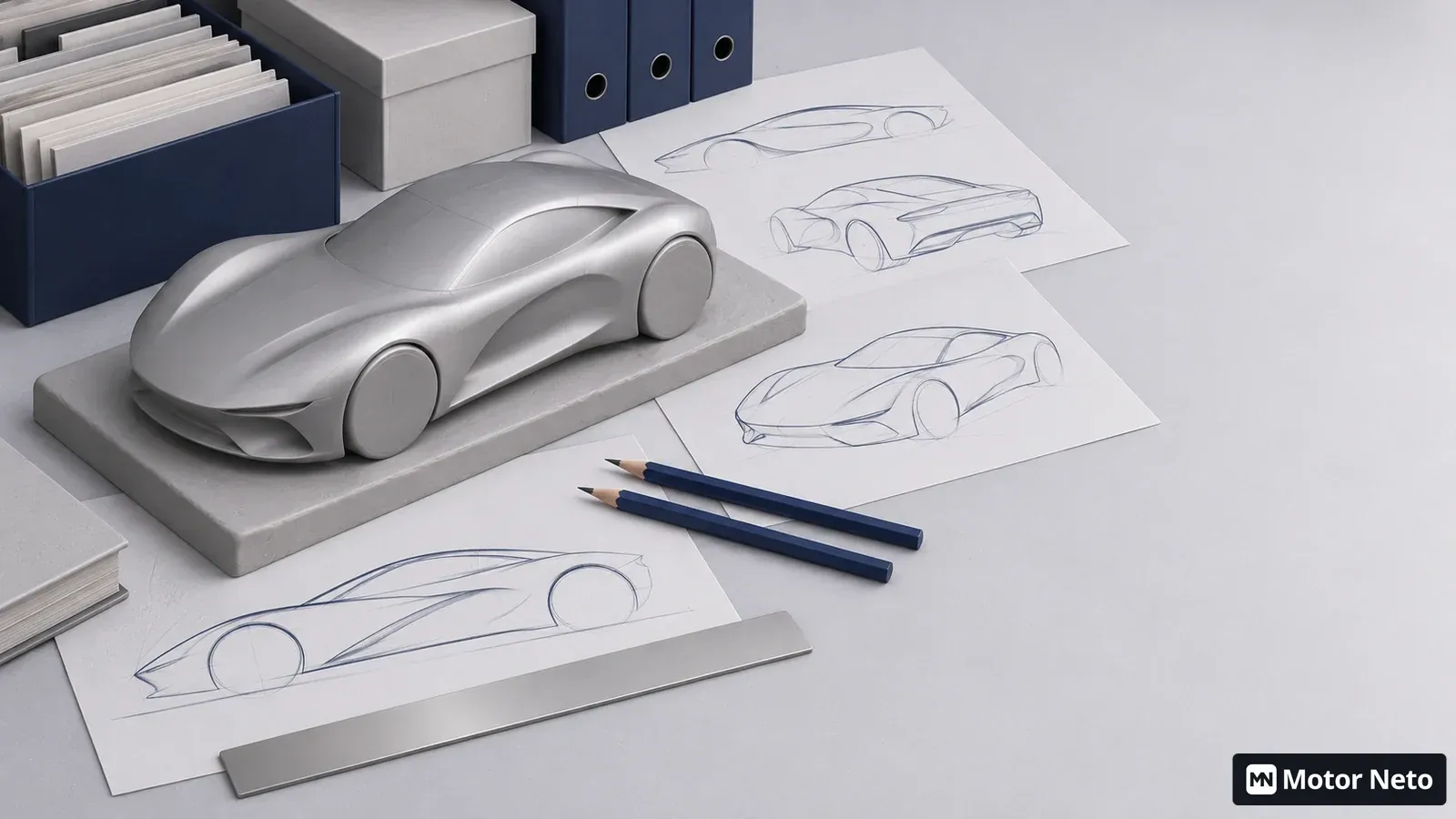
The newly detailed route covers eight spaces across four floors. Sketches, scale models and archive material sit alongside the vehicles; later sections shift the emphasis from personal inspiration to collaborative work within Hyundai Motor Group.
From an editorial perspective, this is the interest for car enthusiasts in Israel even without a Seoul visit. Comparing an early idea with the finished object allows viewers to examine which decisions survived and which changed. It cannot alone establish comfort, reliability or everyday suitability, but may explain why a car looks the way it does.
A design object is not a buying specification
An exhibition object is not a commitment to production or a local specification. Even when a familiar car provides inspiration, its surrounding story must be separated from a vehicle available to buy. There is no announcement here of an Israeli price, arrival date or ordering opportunity, and this article contains no driving impression of the exhibits.
You can enjoy a design story without accepting every part of its marketing. Ask what is presented as a record of the process and what is the organisers’ interpretation. That distinction leaves room to appreciate design while examining what the documentation actually shows. Our discussion of the engineering choices behind the MX-5 also starts with the relationship between an idea and its realisation in a car.
Take a better question into your next search
Anyone already planning a Seoul visit can check the organisers’ current visiting information close to arrival. Readers interested in the cars can use the exhibition as a starting point for a precise question about a model, rather than a substitute for inspecting one.
An emotional response to a shape is part of why people love cars. When buying, give it space alongside the checks for a used dream car: the individual vehicle’s condition, history and suitability for your life. The exhibition concerns the formation of an idea; whether a particular car suits you remains a separate decision.
Found an error or outdated information? Read how we handle corrections and sources, or email us: [email protected].