
The short answer
A smaller upper pulley spins the LT4 blower faster at the same engine speed. Two examples come to about 740 to 780 ₪ for the pulley alone. A belt, hub, machining and calibration can cost more than the part.
Who this guide is for
For Camaro ZL1 owners running the original LT4 supercharger. The logged example is a US 2017 car.
The number on the pulley is its diameter
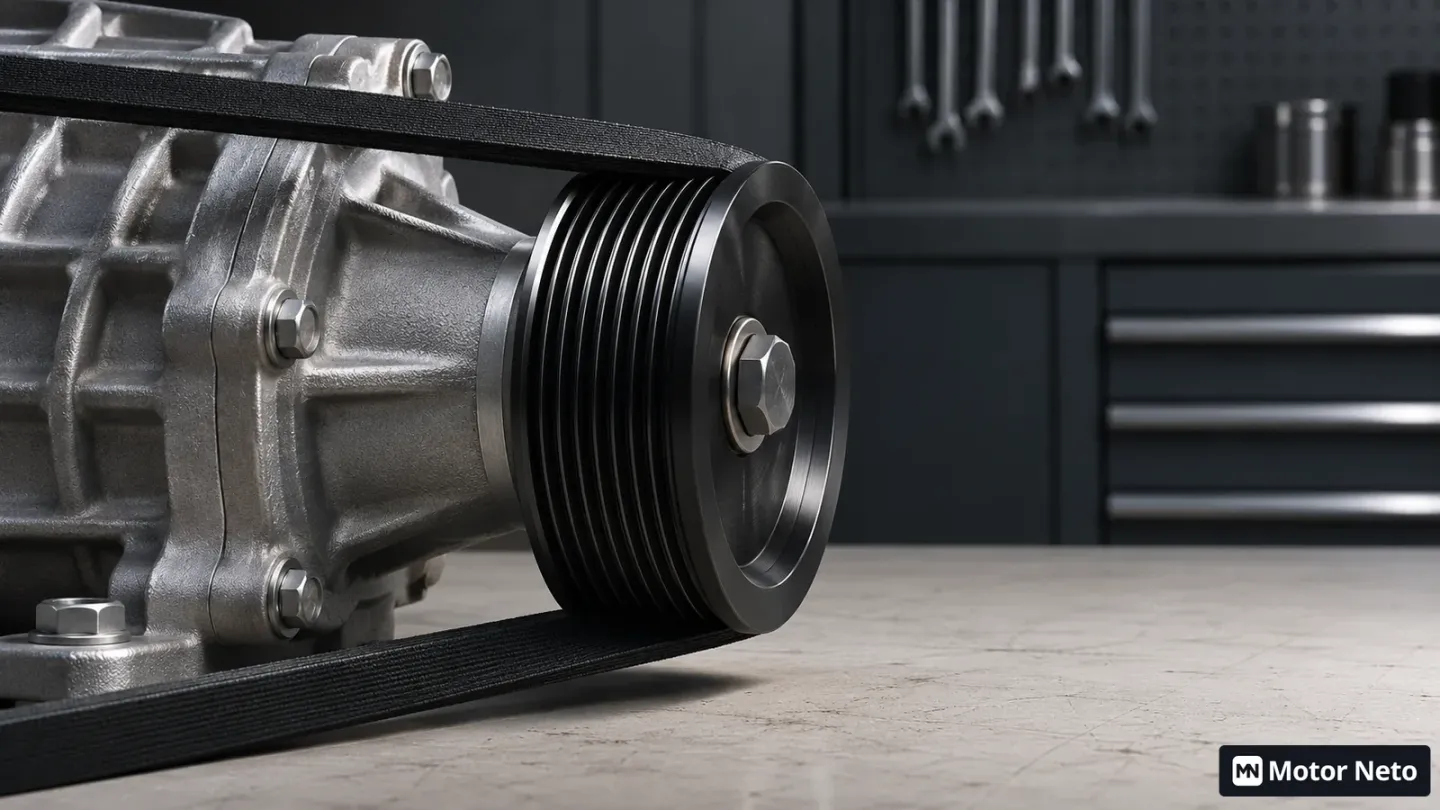
The crankshaft drives the blower through a belt. Keep the lower pulley and reduce the upper diameter, and the blower turns more times per engine revolution. Actual boost also depends on airflow, the bypass valve and whether the belt grips. Millimetres cannot be converted directly to horsepower. For a ZL1 already fitted with a supercharger, changing the drive ratio avoids replacing the whole unit.
WEAPON-X lists a 2.31 inch Fasterproms pulley (about 59 mm) in place of a 2.5 inch original (about 64 mm). The supplier specifies machining the supercharger snout for that design. GripTec also offers rings for matching hubs. Check whether the price buys a ring, a hub or the assembly. On a used car, measure the lower pulley too, since a previous change there alters the starting ratio.
What a repeat pull reveals about cooling and fuel
WEAPON-X published consecutive dyno pulls on a 2017 ZL1 with a changed upper pulley. For an Israeli owner, the temperature trend is more informative than a peak from different hardware and fuel. Moving more air calls for more heat rejection and adequate fuel delivery. Request post-cooler air temperature, requested and actual fuel pressure, mixture and ignition corrections. If fuel pressure falls as load rises, stop the test and investigate supply.
What the pulley price leaves out
On 23 November 2026 Katech listed a GripTec LT4 ring at $188.99 and WEAPON-X listed the Fasterproms at $199. At the Bank of Israel rate of 3.326 shekels per dollar on 20 November, plus 18% VAT on the product, that is about 740 to 780 ₪. Even at home this buys only the pulley. Katech separately lists hub fitting at $65.99 as a bench operation, distinct from pulley removal. It does not cover taking the blower off the car and refitting it.
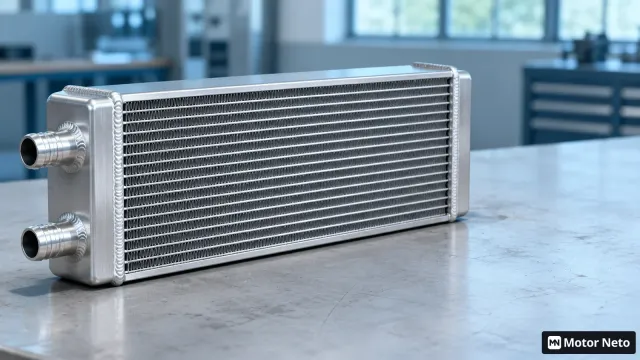
Ask for an itemised quote for mechanical hours, hub, belt, machining, seals, dyno time and mapping for your fuel. The sources give neither a matched fitting time nor an Israeli installed price. Add freight, other import charges and their VAT. If your daily car already struggles with heat, start with how the LT4 charge cooling circuit works. Connections and front end packaging vary by body.
Where the home job meets the machine shop
Before dismantling, record the belt route and existing calibration. At home you need a clean bench and the correct puller or press tooling for the drive. Hammering the shaft can damage bearings. Plan downtime around machining and tuning appointments. After assembly the workshop checks alignment, tension and black dust near the pulley, a possible sign of slip. Leave full load testing to the tuner once map and fuel are checked. Take home the original file, calibration details and a repeat run log with the engine warm.
Checklist before you continue
Found an error or outdated information? Read how we handle corrections and sources, or email us: [email protected].