
Williams finished the Las Vegas Grand Prix with eighth place for Carlos Sainz, but only one of its two cars reached the start. In its report published on 22 November, the team said Alex Albon suffered heat damage to his brakes on the way to the grid that could not be repaired in time for him to participate. That is the published explanation for his non-start, not a finding identifying a particular component as the original cause.
Sainz meanwhile climbed from 20th to eighth in his 250th Grand Prix appearance. The two stories frame the same weekend differently: a competitive recovery for one driver and the loss of the other's race before the lights went out. For Williams supporters in Israel, that contrast matters more than a points-only headline.
What happened before the start
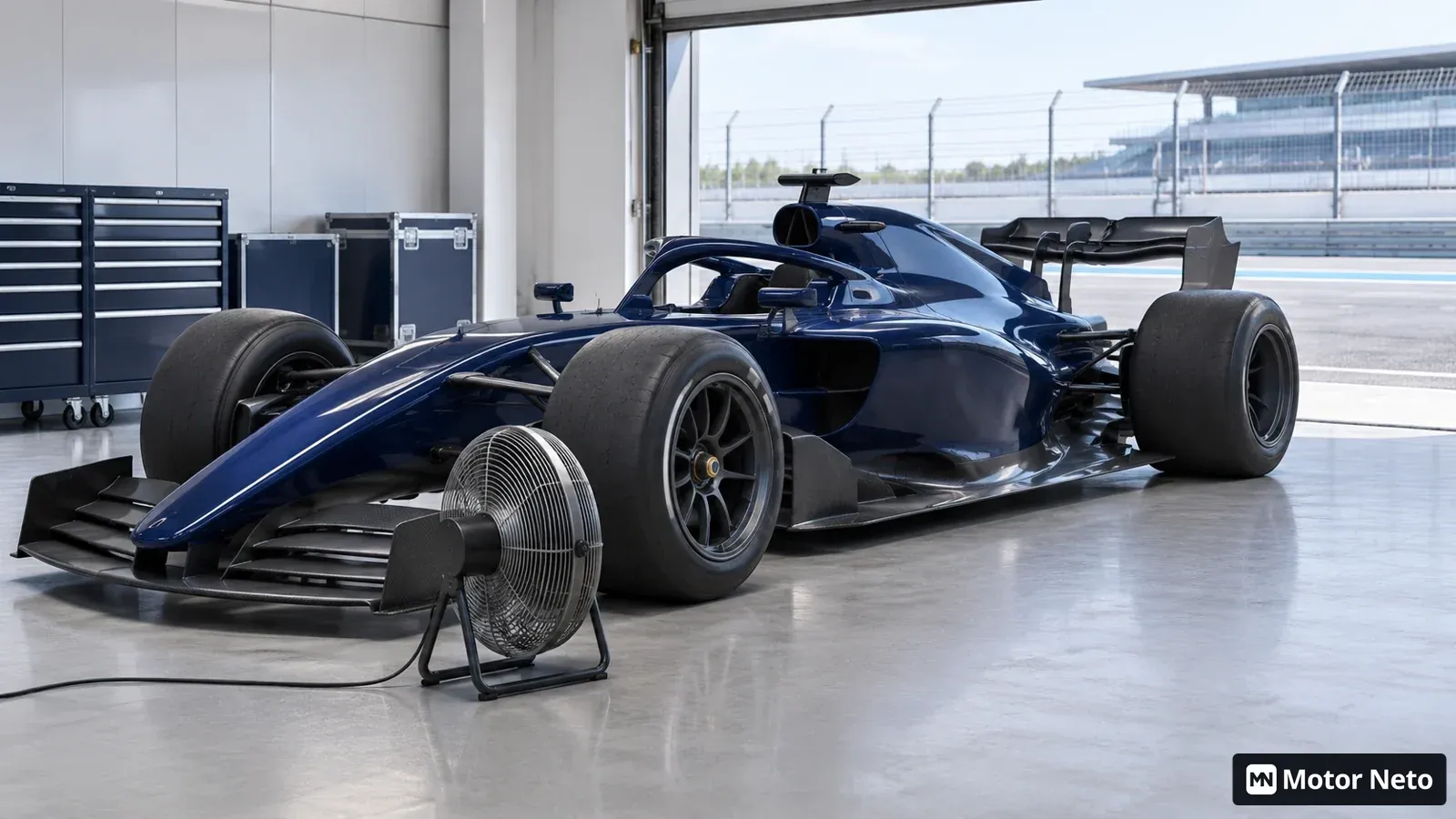
According to the Williams race report, the brake damage occurred on the way to the grid. Formula 1's website also describes Albon's car being removed from its starting position because of damage from overheating brakes. Those reports establish that he did not start; they do not establish the complete engineering sequence behind the failure.
Team principal James Vowles told Formula 1 that rear-brake fire damaged wheel-retention tethers. The necessary suspension replacement could not be completed before the start. The underlying overheating mechanism remains under investigation.
Separating damage from root cause changes how the report should be read. A reference to heat is insufficient to assign a fault to a design, component or particular operating decision. Further detail can be added if the team publishes it. For now, a short description does not support an independent diagnosis.
Sainz returned to the points contest
Williams describes a start in which Sainz gained eight places on the opening lap. He subsequently advanced and fell back within a close group, before exploiting Lewis Hamilton's battle with George Russell to pass Russell at the final corner. The team records him crossing the line 0.14 seconds behind Hamilton and 0.25 seconds ahead of Russell.
Formula 1's results list Sainz eighth. Max Verstappen won ahead of Lando Norris and Oscar Piastri. Sainz's finishing position was 12 places better than his starting slot, but that should not automatically be described as 12 direct overtakes: positions also change through stops, incidents and penalties.
Road order and classified order
The Williams report also describes Charles Leclerc receiving a 10-second penalty following a collision with Hamilton. The team therefore monitored both Sainz's position on the road and his expected position after the penalty was applied. These are different views of the same moment, explaining why a radio message may not match the eventual results table.
There is no need to add a future penalty to explain the published finish. Formula 1's report said some incidents would be investigated after the race, but notice of an investigation is not a decision. Anyone retaining a screenshot of an intermediate classification should compare it with the updated result before sharing a final figure.
What this says about road cars
This is news about a Formula 1 team's operation, not a defect alert for a road model. It does not establish that the brakes of a particular production car are faulty or support a repair recommendation based on a circuit incident. Similar wording in a race report and an owner's description of a problem does not create a common diagnosis.
For a practical question about your own car, our guide to warning lights and manufacturer instructions explains how to find the relevant guidance, while the garage quotation guide helps identify what is proposed for inspection or repair. In Las Vegas, the published facts are Albon's non-start and Sainz's recovery. A fuller engineering explanation requires further information from the team.
Found an error or outdated information? Read how we handle corrections and sources, or email us: [email protected].