
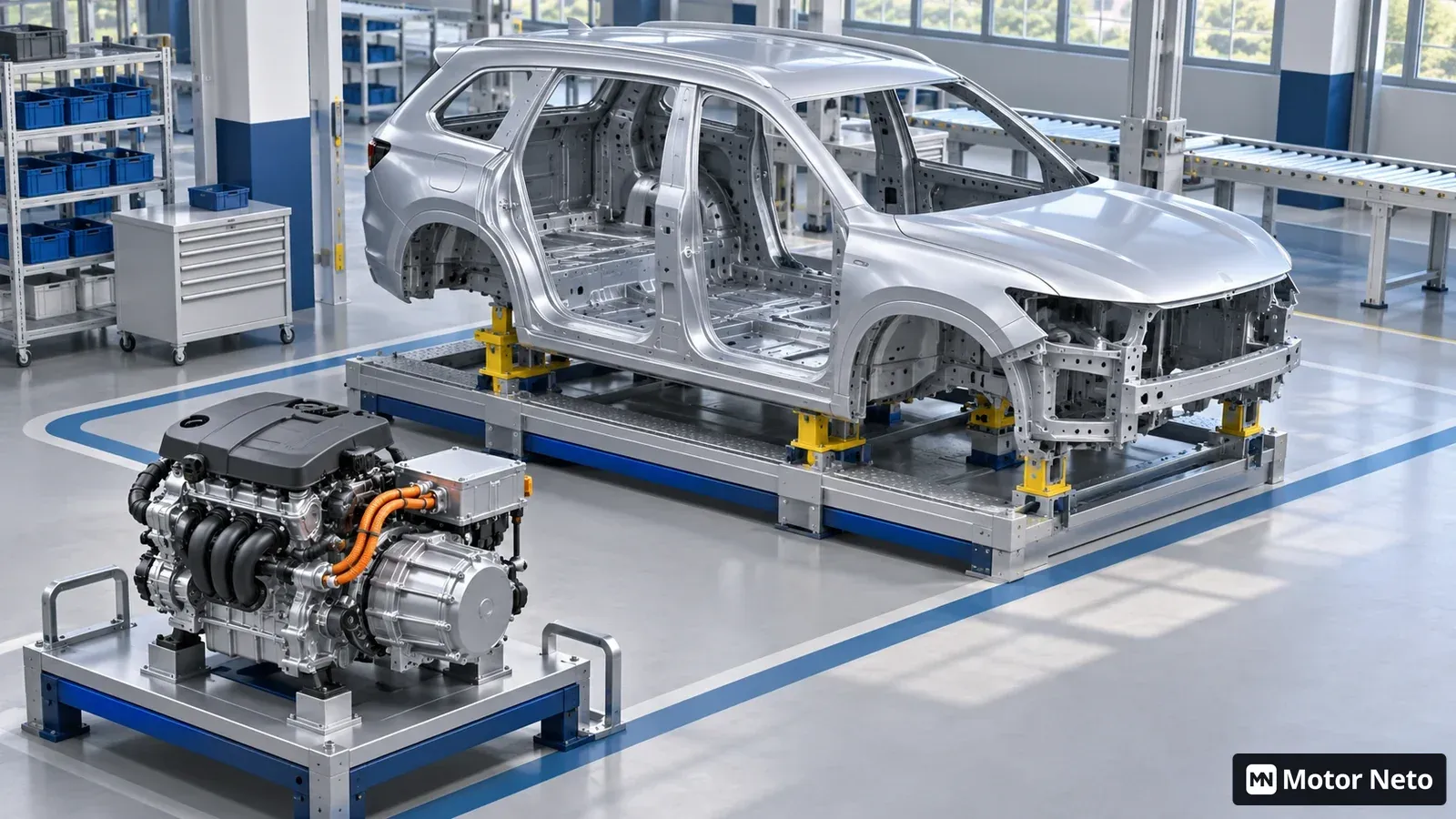
Honda announced a $462 million investment in its Alabama Auto Plant on 17 November, supporting increased production and a new assembly line for a V6 hybrid engine. The company expects 200 additional jobs. For readers in Israel, this is progress on a US manufacturing programme, not the opening of orders for a local model: the announcement establishes no Israeli price, specification or arrival date.
The important detail goes beyond the amount. Honda's announcement connects production of a new engine with the ability to build several models on the same line. These are separate parts of the preparation: getting the power unit ready and adapting the factory to accommodate it within its product programme. This is not yet a vehicle specification that can be compared with a showroom offer.
What the earlier announcement did not include
On 9 November, Honda had already outlined a wider expansion of hybrid production in North America, including work in Alabama. The 17 November update attaches an investment amount and a jobs figure to this plant. Presenting the V6 hybrid engine concept itself as a first unveiling would therefore be misleading, but the update is also more than another mention of the factory's anniversary.
In the earlier programme, Honda explained that work on Line 1 would enable it to build the Passport, then produced only on Line 2. That changes manufacturing flexibility. It does not establish that every vehicle leaving either line will receive the same engine, or replace a separate announcement of each model's versions.
A plant, an engine and a model are different announcements
According to Honda, the Lincoln plant builds the Odyssey, Pilot, Passport and Ridgeline. That list describes its operations, not a newly confirmed list of hybrid versions. The company states annual capacity of 340,000 vehicles and 340,000 engines. Capacity is not actual output, and the two figures cannot be added together as a total number of cars.
V6 describes the combustion engine's configuration; it does not, on its own, reveal system power, battery size or fuel consumption. The investment announcement supplies none of those figures. It cannot support a calculation of savings for an Israeli driver either: the model and version, a relevant consumption figure and the local purchase price are missing.
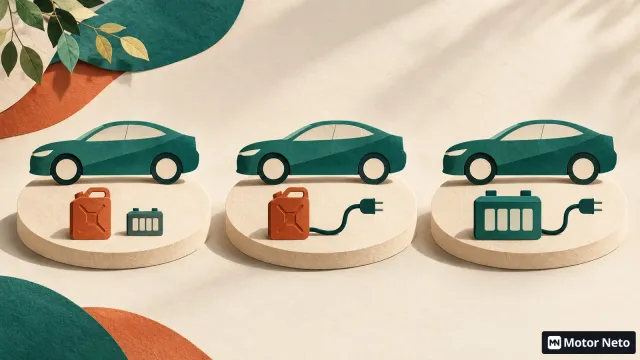
This distinction is particularly useful when choosing between hybrid, plug-in and electric cars around your routine. The technology's name starts a discussion about use; it does not automatically answer questions about charging, range or suitability for a family.
What the programme says about Honda's direction
The 9 November announcement also included a planned $3 billion new plant in Ohio, with production expected to start in 2029, subject to final government approvals. That is a different site with a different timetable. The year 2029 should not automatically be applied to the Alabama engine line, for which the latest update gives no precise starting date.
Taken together, Honda's announcements describe investment in an entire hybrid manufacturing system: vehicles, engines and the ability to move models between lines. This is an industrial programme, not a road-test result. It does not establish a particular improvement in future fuel economy or show that the investment will make those vehicles cheaper in Israel.
What to ask before deciding to wait
Anyone considering postponing a purchase because of this news should separate the US programme from a vehicle actually being offered. Ask for the precise model and version, confirmation of local availability, a written specification and a delivery date tied to your order. If those details do not yet exist, keep the future model out of a numerical price comparison.
Once a concrete offer arrives, the guide to reading a new-car quotation in Israel can help compare every part of the transaction. Until then, progress in Alabama adds information about Honda's plans, but does not replace the details needed to make a buying decision here.
Found an error or outdated information? Read how we handle corrections and sources, or email us: [email protected].