
Clean-transport organisation T&E published new analysis on 19 November 2026 arguing that the Franco-German proposal for battery-origin rules would secure demand for only a small part of Europe’s announced cell production towards 2030. This is an estimate from an organisation advocating climate policy, not a report of factory closures that have already happened. For an Israeli car buyer, the important distinction is between a debate about future supply chains and information about the car on offer today.
The discussion centres on the Industrial Accelerator Act, or IAA. In March, the European Commission presented a legislative proposal intended to use public procurement and incentives, among other measures, to support European manufacturing. The new publication examines how origin requirements and support conditions could shape battery demand. It does not itself change Israeli prices, taxes or warranties.
What the 13% figure actually describes
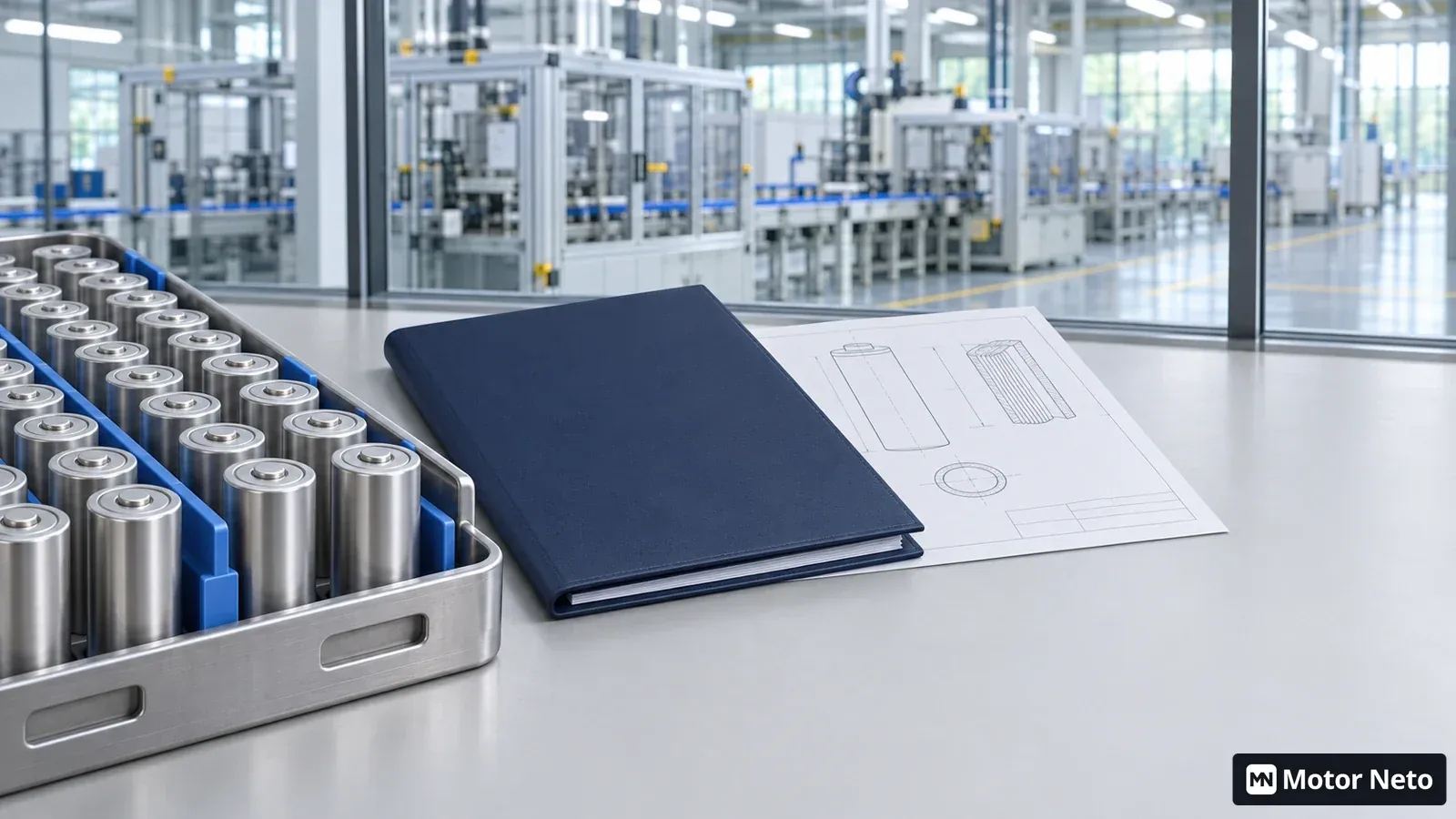
In its detailed analysis, T&E estimates that the Franco-German approach would secure demand for 62 gigawatt-hours of European cells in 2030, about 13% of the announced production included in its calculation. Within that scenario, it separates another 206 GWh that could find European buyers without a guarantee from 220 GWh for which it identifies no demand from EU electric-vehicle manufacturers.
That distinction matters more than a headline combining everything else into one risk. Demand not secured by policy does not necessarily mean no customers, and an announced factory is not necessarily already producing. These figures describe a scenario under the organisation’s assumptions; they should not be read as saying that 87% of Europe’s existing batteries are about to disappear.
A gigawatt-hour is a unit of energy. Here it describes a volume of cells, not a number of vehicles or charging power. Converting it into cars requires an assumption about battery size per vehicle, so no such conversion is made here.
Cell origin is only part of the debate
T&E also examines how broadening the list of countries eligible for preference could shift demand outside the EU, and recommends stricter origin rules. That is the organisation’s policy recommendation, distinct from final binding legislation. France and Germany, by contrast, present their approach in their joint statement of 16 October as a combination of emission reductions, regulatory flexibility and incentives for European production.
Commission documents describe the proposal as a way to strengthen industry and supply-chain resilience. Not every vehicle sold in Europe, or every component within it, automatically falls under the same support arrangement. Saying that a battery is European therefore does not alone explain eligibility for an incentive or the conditions under discussion.
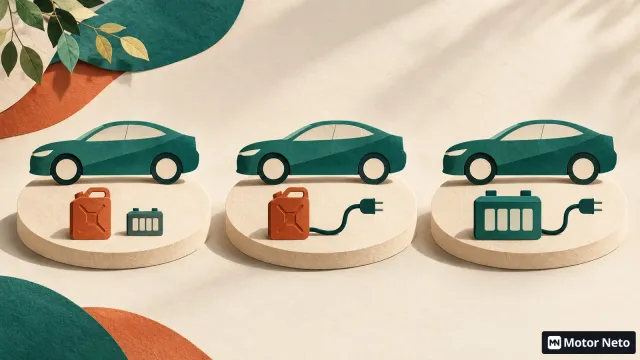
At product level, cell manufacture, pack assembly and vehicle assembly should also be distinguished. An industrial headline cannot replace a particular version’s specification. Buyers weighing different powertrains can start with their driving and charging routine before making the country of production their sole criterion.
What an Israeli buyer can take from this
The new analysis gives reason to follow European investment and supply-chain decisions. It does not establish that a particular vehicle in Israel will become more expensive, that replacement batteries will be unavailable or that its warranty will change. Those claims require separate evidence about the model, supplier and local terms.
Before buying, identify the exact version and the warranty document that applies to it. If battery origin matters to you, ask about the specific component and model year, without assuming all cars bearing the same name are identical. The guide to reading battery warranties brings the discussion back to conditions that can be checked in the transaction.
Today’s development is a new calculation within an ongoing industrial debate. The next meaningful change to watch is an actual amendment to policy or a production decision, rather than another headline presenting a forecast as an event that has already occurred.
Found an error or outdated information? Read how we handle corrections and sources, or email us: [email protected].